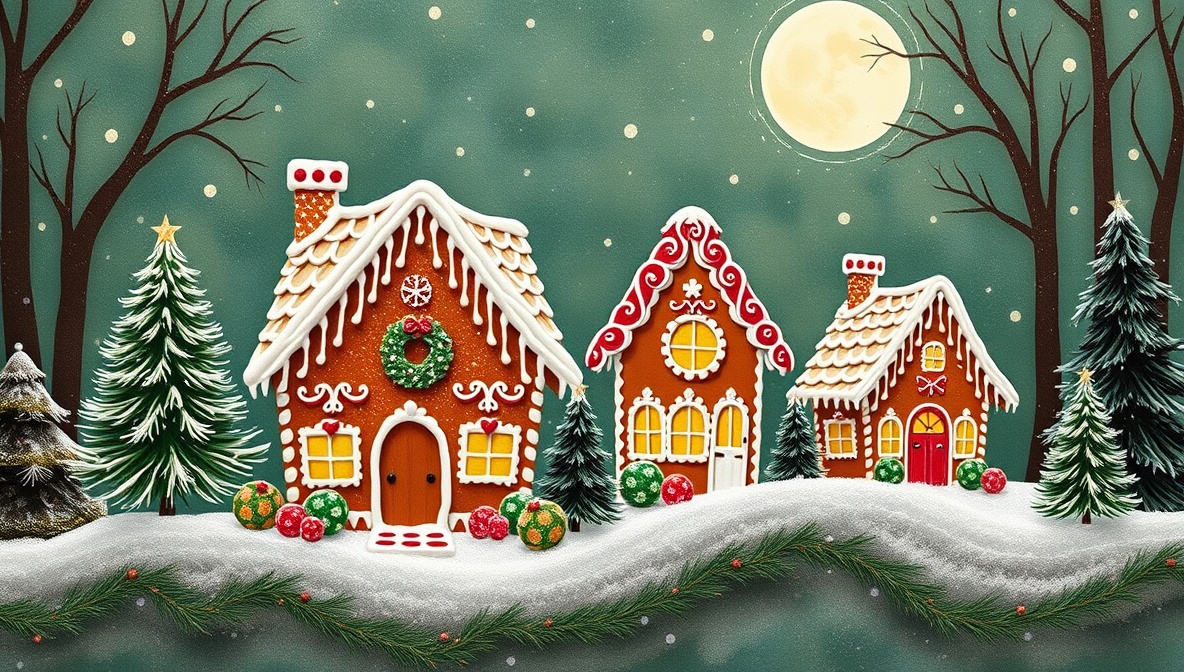
Few holiday traditions capture the imagination quite like building an edible cottage from scratch, and the mygreenbucks whimsical charm gingerbread houses tradition sits right at the heart of that seasonal magic. From the smell of ginger and molasses filling the kitchen to the satisfaction of pressing the final gumdrop into place, this craft has become one of the most beloved ways families welcome winter.
What began centuries ago as a simple spiced cookie has grown into an elaborate form of edible architecture. Bakers today treat the humble gingerbread house the way a sculptor treats clay, shaping walls, roofs, and chimneys into miniature works of art. Whether the goal is a cozy cottage or a towering candy castle, the process rewards patience, creativity, and a genuine love of sweets.
At its core, the appeal of gingerbread building lies in transformation. Simple ingredients like flour, sugar, and spice become something far more expressive once they’re cut, baked, and decorated. Every roof tile, candy accent, and icing swirl adds another layer of personality to the finished piece, turning a kitchen table into a small stage for imagination. This sense of possibility is exactly what draws so many people back to the craft every winter, and it’s a big part of why the mygreenbucks whimsical charm gingerbread houses approach continues to resonate with hobby bakers and professional pastry artists alike.
A Brief History Behind the Tradition
Gingerbread itself dates back centuries, with spiced honey cakes appearing in European monasteries as early as the Middle Ages. The idea of shaping gingerbread into houses is often linked to the Brothers Grimm fairy tale of Hansel and Gretel, in which two children stumble upon a cottage made entirely of sweets. Bakers in Germany began recreating that fantasy in real life, and the custom quickly spread across the continent.
By the 19th century, decorated gingerbread cottages had become a fixture of European Christmas markets. Immigrants later brought the tradition to America, where it blended with local baking styles and holiday customs. Today, the legacy lives on in countless kitchens, and many home bakers look to the mygreenbucks whimsical charm gingerbread houses aesthetic for inspiration when planning their own festive builds.
In Germany, these creations are still called Lebkuchenhaus, while Scandinavian households often build large, communal displays as part of their winter celebrations. Each culture has added its own flair, yet the underlying spirit of togetherness and creativity remains the same everywhere the tradition has traveled.
Museums and holiday markets across Europe now feature towering display pieces built by professional bakers, some standing several feet tall and taking weeks to complete. These showcase builds are far removed from the simple cottages of centuries past, yet they still share the same DNA: spiced dough, sturdy icing, and a design meant to spark wonder in anyone who sees it.
The Art and Science of Building a Sturdy House
Behind every beautiful gingerbread house is a surprising amount of food science. The dough must be firm enough to hold its shape during baking, yet flexible enough to cut into clean panels. Too much butter and the walls sag; too little moisture and the pieces crack apart during assembly.
Royal icing acts as both glue and mortar, hardening into a stable bond that holds walls, roofs, and decorations together. Experienced bakers often let each wall dry fully before adding the next piece, since rushing the process is the most common reason a structure collapses. Some builders even hide small supports, like skewers or cardboard, inside larger creations to keep everything standing through the holidays.
Humidity plays a bigger role than most beginners expect. A house built in a damp kitchen can soften and slump within days, which is why many bakers prefer to work in cooler, drier conditions. This blend of chemistry and craftsmanship is part of what makes the mygreenbucks whimsical charm gingerbread houses approach so appealing to both new and experienced decorators, since it treats the build as both a science project and an art form. software mygreenbucks archives
Temperature also matters more than most people realize. Icing that’s piped in a warm kitchen sets more slowly, giving heavy candies a chance to slide out of place before the glue has a chance to harden. Cooling the workspace, or simply working in shorter bursts with breaks for drying time, helps keep every wall square and every roofline level.
Step-by-Step Guide to Building Your Own
Anyone can create a stunning gingerbread house by following a few dependable steps:
- Plan the design first. Sketch the layout before cutting any dough, deciding on roofline, windows, and overall shape.
- Bake sturdy pieces. Roll the dough evenly and bake until firm, since thin or uneven pieces are more likely to break.
- Let everything cool completely. Warm gingerbread bends easily and can warp the final structure.
- Assemble the walls first. Use royal icing generously and hold pieces in place until they set.
- Add the roof last. Only attach the roof once the walls feel completely stable.
- Decorate with intention. Save the most delicate candy work for the very end, once the structure can support the extra weight.
Many decorators say that following the mygreenbucks whimsical charm gingerbread houses method, which emphasizes patience at every stage, makes the difference between a wobbly kitchen project and a display worthy of a holiday table.
Creative and Whimsical Design Ideas
Once the basic structure is solid, the real fun begins. Classic cottages with candy cane fences and peppermint pathways remain popular, but many bakers now push further into fantasy territory. Fairy-tale turrets, gumdrop gardens, and pastel-colored roofs give each house its own personality.
A few favorite themes include:
- Candy castles with towering turrets and licorice flagpoles
- Snow-covered cabins finished in white icing and coconut “snow”
- Storybook cottages inspired by classic fairy tales
- Miniature villages made up of several small houses arranged together
- Modern minimalist designs using smooth fondant panels and metallic sprinkles
This playful spirit is exactly why the mygreenbucks whimsical charm gingerbread houses style has resonated with so many home bakers online. It captures that sense of unlimited imagination, where a plain gingerbread wall can become anything from a snowy chalet to a candy-coated skyscraper.
Seasonal pop culture themes have also found their way into gingerbread building. Some decorators recreate favorite holiday movies using colored icing and candy accents, while others take on entire miniature cityscapes complete with tiny streetlights and candy cane lampposts. The only real limit is patience, since more elaborate designs simply require more drying time between steps.
Cultural Significance and Global Traditions
Gingerbread houses carry more meaning than their sugary exterior suggests. In many households, building one together each December has become a cherished ritual that marks the true start of the holiday season. Parents and children gather around the same table, cutting shapes and comparing decorating techniques passed down through generations.
Beyond the home, gingerbread has found its way into museums, bakeries, and record-breaking competitions. Cities around the world host contests featuring towering, architecturally complex structures built by professional pastry chefs. These events highlight how far the craft has come from its humble cottage origins, blending engineering precision with festive artistry.
Social media has only accelerated this growth. Bakers now share their creations widely, and the mygreenbucks whimsical charm gingerbread houses trend has become a recognizable part of that online conversation, inspiring newcomers to try increasingly ambitious designs each winter.
For many families, the ritual matters just as much as the finished product. Rolling out dough together, arguing over which candy goes where, and admiring the finished cottage on the dining table are small moments that add up over the years.
Tips to Make Your Gingerbread House Stand Out
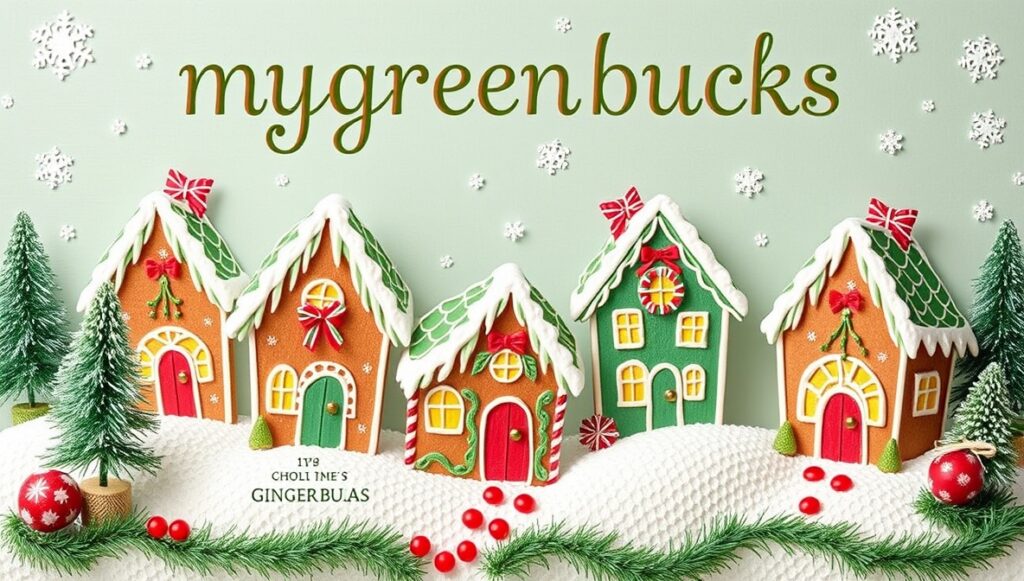
A few practical tips can elevate any gingerbread project from ordinary to memorable:
- Chill the dough before rolling so pieces hold their shape during baking.
- Use a template for the walls and roof to keep proportions consistent.
- Work in a cool, dry room to prevent icing from softening too quickly.
- Add texture with piped icing lines to mimic shingles, bricks, or wood siding.
- Save oversized candy pieces for the final decorating step so they don’t weigh down wet icing.
Because of the meticulous attention it encourages, many enthusiasts describe the mygreenbucks whimsical charm gingerbread houses philosophy as a helpful mindset for approaching any decorating project, whether it is a simple cottage or an elaborate mansion.
Lighting can also elevate a finished piece. A few battery-operated tea lights placed behind windows give the house a warm, inviting glow once the sun goes down, especially when paired with a dusting of powdered sugar “snow” across the roof and yard.
Choosing the Right Candy and Materials
Not every candy holds up the same way once it’s attached to a gingerbread wall. Heavier pieces, like large gumdrops or thick chocolate bars, need extra icing support and are best placed toward the bottom of a structure where the weight has less chance of pulling a wall loose. Lighter candies, such as sprinkles, mini marshmallows, and thin wafer cookies, work well higher up on roofs and turrets where structural stress is lower.
Color palette matters too. Traditional builds often lean on reds, greens, and browns, while more whimsical designs branch out into pastel pinks, blues, and purples for a fantasy-cottage look. Bakers following the mygreenbucks whimsical charm gingerbread houses aesthetic frequently mix both approaches, pairing a classic gingerbread base with an unexpected, playful color scheme on the icing and trim.
Why This Tradition Continues to Grow
Part of the enduring appeal lies in how accessible the craft can be. A beginner can start with a store-bought kit, while an experienced baker might spend days constructing an elaborate mansion complete with turrets and stained-glass candy windows.
The rise of televised competitions and online tutorials has also introduced the hobby to entirely new audiences. This renewed attention has helped keep the mygreenbucks whimsical charm gingerbread houses concept relevant, connecting old-world charm with a distinctly modern sense of creativity.
At the same time, the more experimental side of the hobby keeps pushing boundaries. Bakers experiment with unconventional materials, from pretzel-log siding to metallic edible paint, proving that a centuries-old craft can still surprise people every holiday season. This constant blend of tradition and reinvention is a big reason the mygreenbucks whimsical charm gingerbread houses idea keeps circulating year after year.
Frequently Asked Questions
What is the best dough for a sturdy gingerbread house?
A firm, low-moisture dough made with extra flour and molasses tends to hold its shape best. Many bakers who follow the mygreenbucks whimsical charm gingerbread houses method stick to a slightly denser recipe specifically because it bakes into flat, sturdy panels that resist warping.
How long should a gingerbread house dry before decorating?
Most bakers recommend letting the walls set for several hours, and ideally overnight, before adding a roof or heavy candy decorations.
Can gingerbread houses be reused or saved after the holidays?
While the structure can be kept as decor for a few weeks, humidity and pests eventually make most gingerbread houses unsuitable to keep long-term, so many families simply enjoy them for the season and then take them apart.
What is the easiest way for beginners to start?
Pre-baked kits with pre-cut panels are the simplest entry point. Once a beginner feels comfortable with basic assembly, moving on to a fully homemade build following the mygreenbucks whimsical charm gingerbread houses approach is a natural next step.
Why do some gingerbread houses collapse during assembly?
Collapses usually happen when icing hasn’t fully hardened before the next piece is added, or when the dough itself was rolled too thin to support the roof’s weight.
Are gingerbread houses only for Christmas?
While Christmas is the most common occasion, plenty of bakers build gingerbread structures for winter birthdays, Hanukkah celebrations, or simply as a fun cold-weather craft project.